
Top Waterproofing Products for Reliable Protection
Explore leading waterproofing solutions designed to safeguard your property against moisture and water damage effectively.
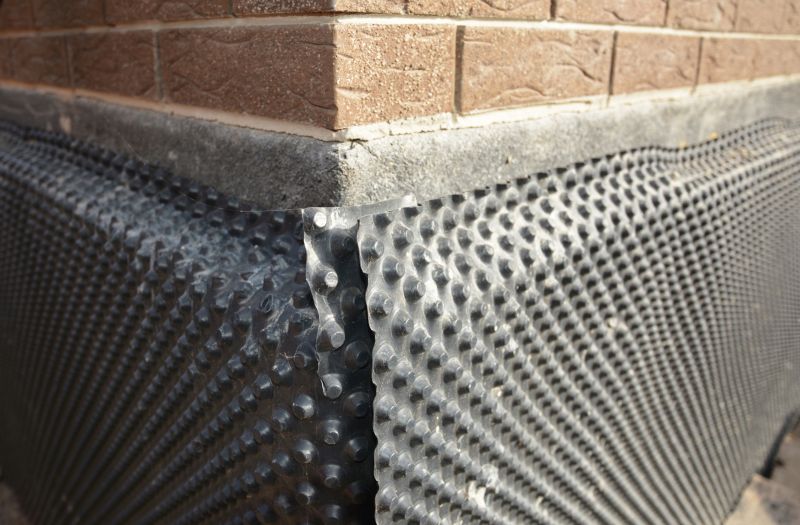 Waterproofing products play a crucial role in protecting structures, foundations, and surfaces from water intrusion and damage. Whether for residential, commercial, or industrial applications, choosing the right waterproofing solution depends on various factors including the type of surface, exposure level, and environmental conditions. From basement sealing to roof coatings, there are numerous products designed to create a barrier against moisture. Proper application and selection can significantly enhance the longevity and integrity of a building or surface.
Top Overall Option
Liquid Rubber Waterproofing Membrane
A versatile liquid membrane that can be applied to a variety of surfaces including foundations, roofs, and decks. It forms a seamless, flexible barrier that adheres well and resists cracking, making it suitable for diverse waterproofing needs. Easy to apply with brushes, rollers, or sprayers, it offers long-lasting protection against water intrusion.
Types of Products For Waterproofings
Liquid Waterproofing Membranes
Fluid-applied coatings that create seamless, flexible barriers for various surfaces.
Sheet Membranes
Pre-formed sheets made of rubber, asphalt, or plastic materials used for foundation and roof waterproofing.
Cementitious Coatings
Waterproof cement-based coatings ideal for basements and retaining walls, providing durable protection.
Bituminous Coatings
Asphalt-based coatings suitable for roofing and below-grade applications, offering strong water resistance.
Polyurethane Coatings
High-performance coatings that provide elastic, waterproof layers for roofs and decks.
Acrylic Waterproof Coatings
Flexible, UV-resistant coatings suitable for roofs and walls needing waterproof protection.
Sealants and Caulks
Flexible sealants used to fill gaps and joints to prevent water penetration.
Waterproofing Paints
Paints formulated with waterproofing agents for walls and surfaces exposed to moisture.
Crack Injection Products
Specialized materials used to fill and seal cracks in concrete or masonry structures.
Waterproofing Tapes
Self-adhesive tapes designed to seal joints and cracks in various surfaces.
Waterproofing Sprays
Spray-applied solutions that provide a protective water-resistant layer on surfaces.
Hydrophobic Sealants
Sealants that repel water and are used on porous surfaces like stone and concrete.
Waterproofing Admixtures
Additives mixed into concrete or mortar to enhance their water resistance properties.
Drainage Boards
Protective layers that facilitate water drainage away from foundations and walls.
Vapor Barriers
Materials installed to prevent moisture vapor from passing through walls or floors.
Popular Choices
Widely used for its ease of application and versatile adhesion on multiple surfaces.
Commonly selected for roofing and below-grade applications due to their durability.
Popular for decks and roofs requiring elastic, waterproof layers.
Frequently used to seal joints, cracks, and gaps in various surfaces.
Chosen for their UV resistance and flexibility on exterior surfaces.
Applied to walls and surfaces exposed to moisture for added protection.
Used for repairing and sealing cracks in concrete structures.
Effective for sealing joints and small cracks in various applications.
Preferred for porous surfaces like stone and concrete to repel water.
Commonly installed to improve water drainage around foundations.
In Oconomowoc, WI, where seasonal changes can introduce challenges like snowmelt and rain, utilizing effective waterproofing materials is essential. These products help prevent issues such as mold growth, wood rot, and structural weakening by keeping water out of critical areas. Modern waterproofing solutions are formulated to adhere to different substrates, resist UV degradation, and withstand temperature fluctuations. Understanding the specific needs of your project can guide you toward the most suitable products.
Many waterproofing products are designed for specific uses, including sealing foundations, waterproofing decks, or protecting roofs. Some products are liquid-applied membranes, offering seamless coverage, while others are sheet membranes or coatings that provide a durable barrier. Proper surface preparation and application techniques are vital to ensure optimal results. Consulting product specifications and manufacturer guidelines can help achieve the best performance and durability.
Investing in the right waterproofing products can offer peace of mind by minimizing water-related issues. Regular maintenance and inspection also play important roles in ensuring long-term effectiveness. Whether you are a homeowner, contractor, or property manager in Oconomowoc, understanding the variety of available options can assist in making informed decisions tailored to your specific needs.
Key Buying Considerations
- Identify the specific area or surface to be waterproofed, such as foundation, roof, or wall.
- Determine the type of waterproofing product suitable for your application, whether liquid, sheet, or coating.
- Consider the environmental exposure, including UV, temperature fluctuations, and moisture levels.
- Check the compatibility of the product with existing materials or surfaces.
- Review application methods and whether professional installation is recommended or required.
- Assess the durability and lifespan of the product under typical conditions.
- Look for products with good adhesion properties to ensure long-term effectiveness.
- Evaluate ease of application, including tools and surface preparation requirements.
- Consider any specific project requirements, such as flexibility or crack-bridging capabilities.
- Review manufacturer instructions for curing time, maintenance, and reapplication intervals.
- Check for certifications or standards compliance relevant to safety and performance.
- Estimate the overall project budget, including materials and labor costs.
- Ensure availability of the product in your local area or through reliable suppliers.
- Read customer reviews or seek expert advice to gauge product performance in similar applications.